What the Swiss Alps look like in winter
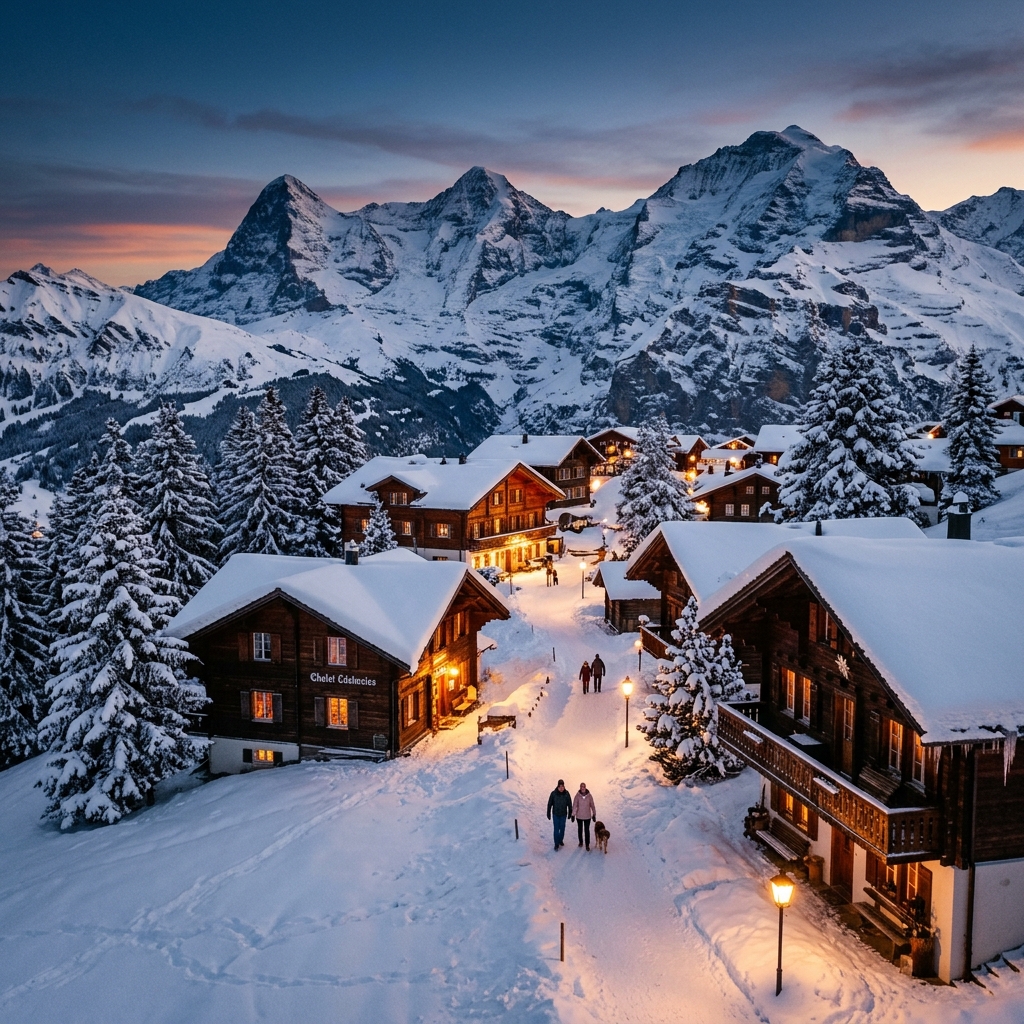
Winter in the Swiss Alps is, in a word, magical. The villages look exactly like every Christmas card you've ever seen — snow-covered rooftops, lit windows, smoke rising from chimneys, and towering white peaks above. It is genuinely one of the most beautiful winter landscapes on Earth.
The mountains themselves are more dramatic in winter — sharper contrasts, bluer skies on clear days, and a stillness at altitude that is completely different from the busy summer season. If you want the Swiss Alps to yourself — or at least with a fraction of summer crowds — winter is when to go.
What changes in winter
The Pilatus cogwheel railway is closed December–April (gondola still operates). Some hiking trails at altitude are inaccessible due to snow. Skydiving is not available. Opening hours for some visitor centres are reduced. Everything else — Jungfraujoch, Titlis, Bernina, Lucerne — operates normally.
What is (and isn't) open in winter
✅ Open year-round
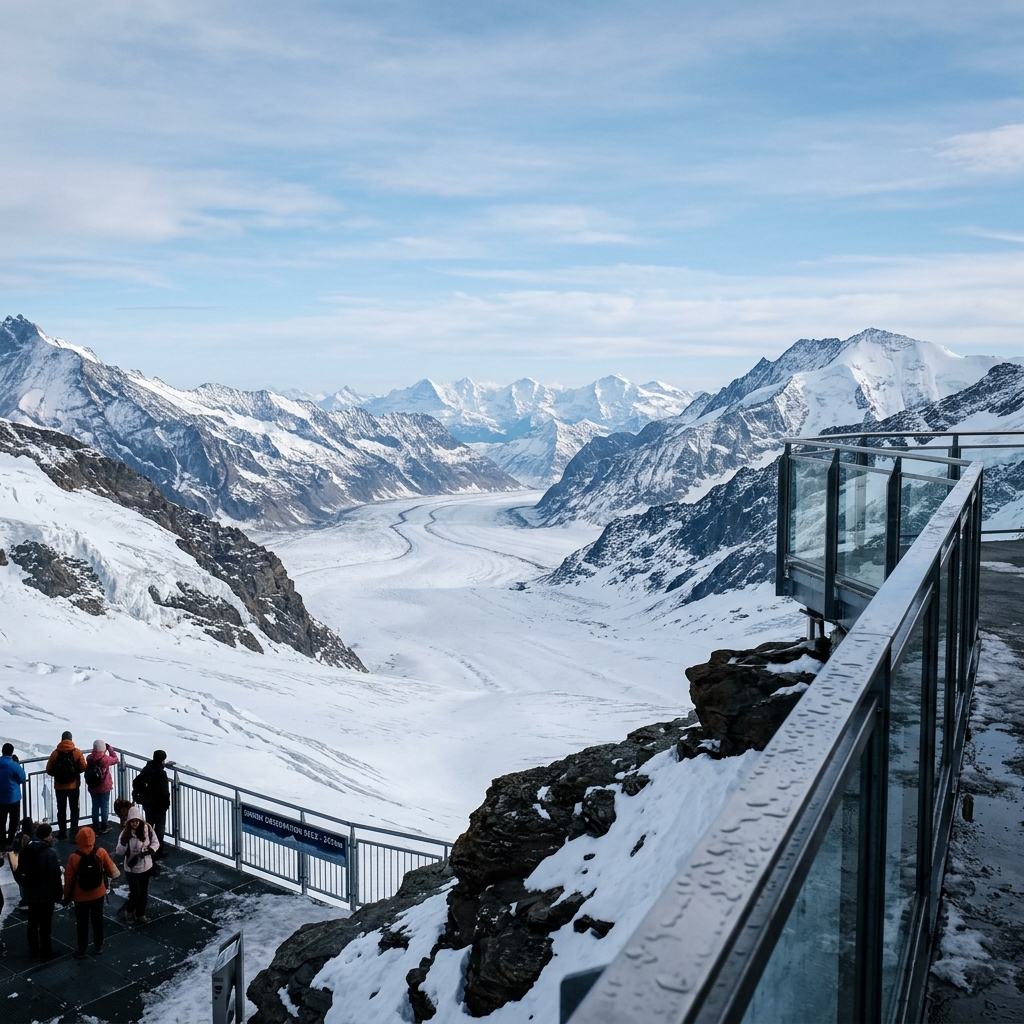
- Jungfraujoch — fully operational December–March. Winter is one of the best times: crisp clear days, dramatic snow views, fewer crowds than summer peak.
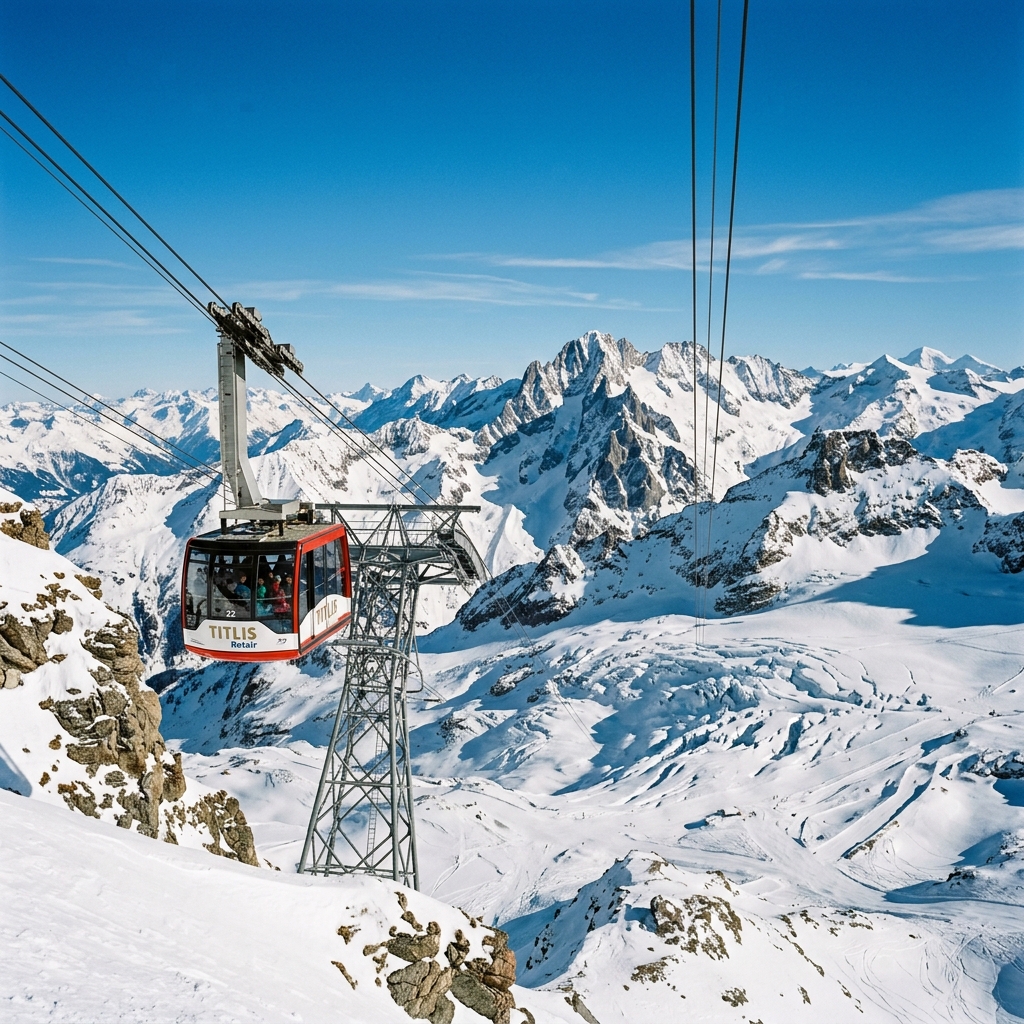
- Mount Titlis — fully operational year-round. Winter is prime season — the glacier, snow park and Ice Flyer are all at their best.
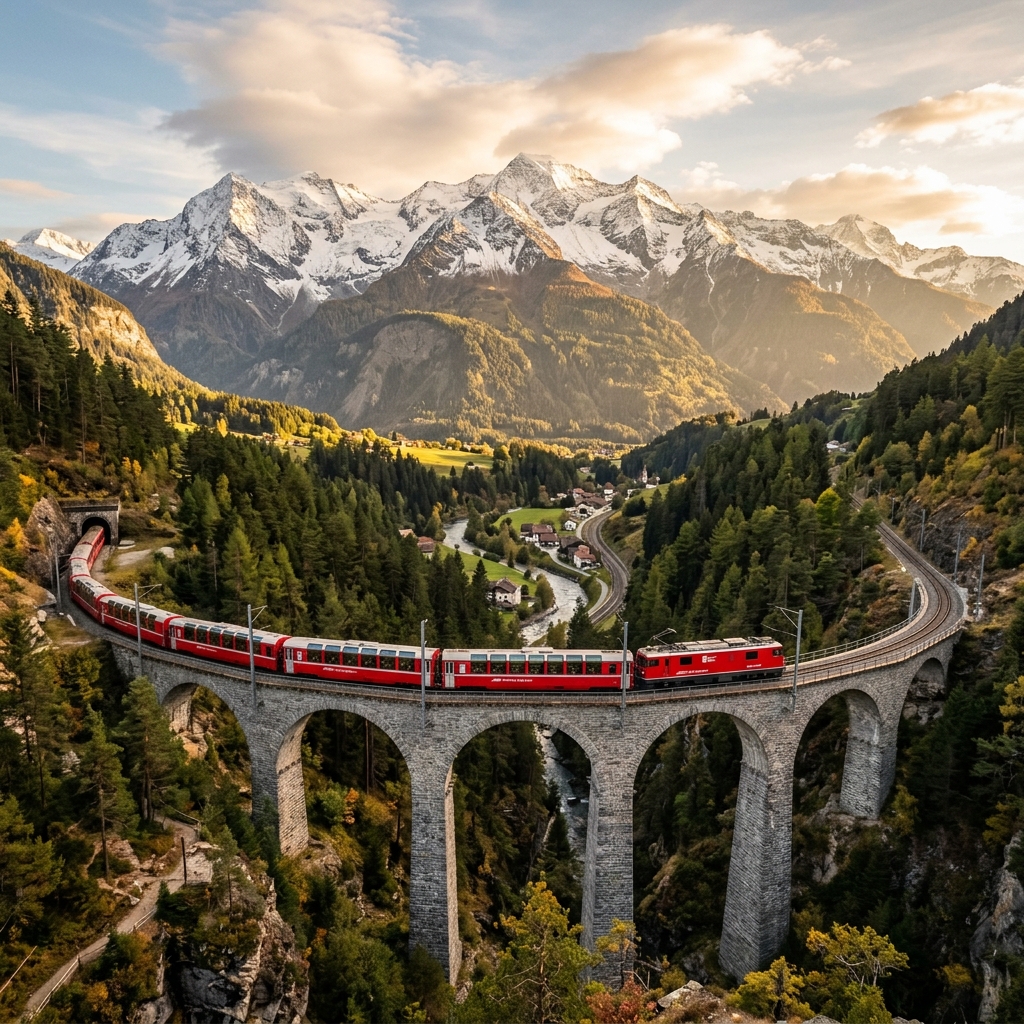
- Bernina Red Train (Tirano–St. Moritz) — runs year-round. Winter adds a completely different character: snow-blanketed forests, frozen waterfalls, St. Moritz in its ski season glory.
- Mount Pilatus (gondola) — the gondola from Kriens still operates in winter. Only the cogwheel railway section is closed.
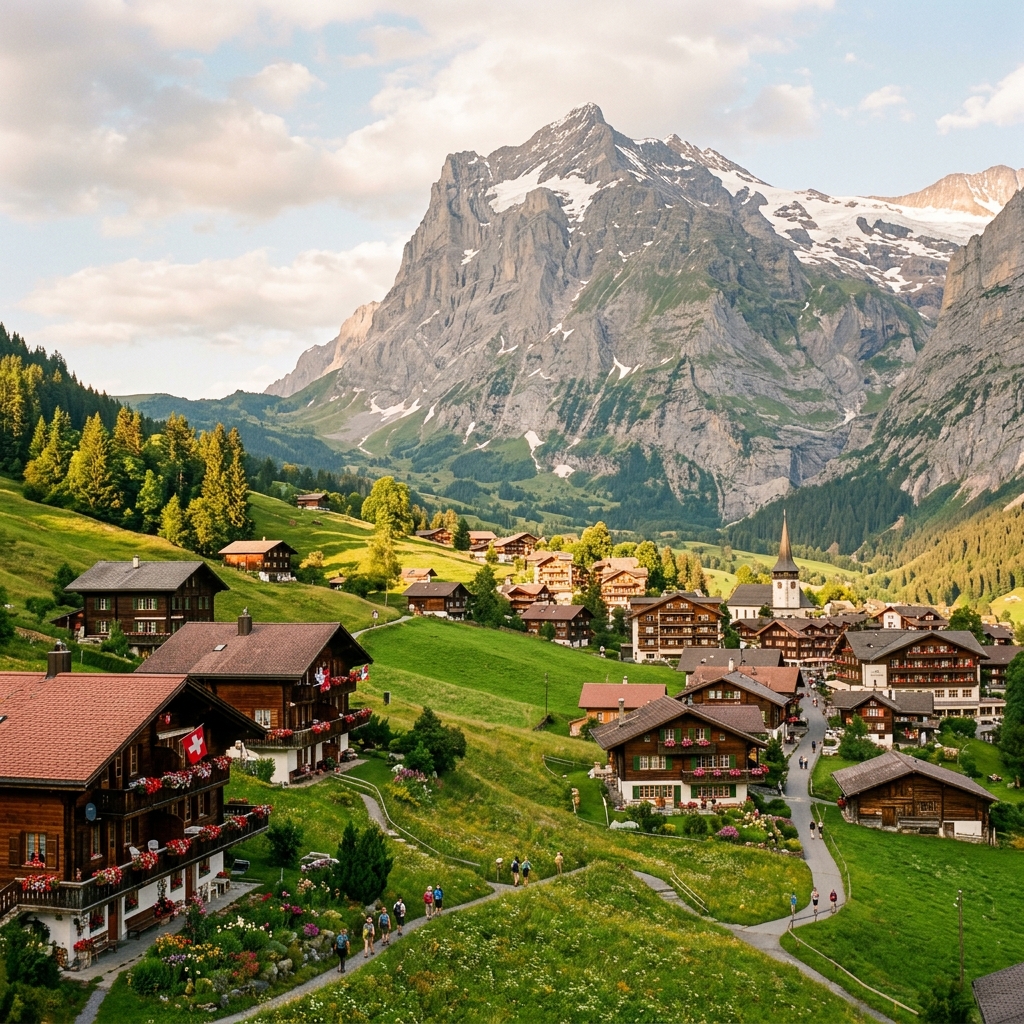
- Grindelwald and Lauterbrunnen — the villages remain open and beautiful in winter. Lauterbrunnen's waterfalls can partially freeze — extraordinarily beautiful.
⚠️ Seasonal or reduced
- Pilatus Golden Round Trip — cogwheel railway section closed December–April. The full round trip is not possible.
- Interlaken Skydiving — closed October–April. Not available in winter.
- Some hiking trails — higher altitude trails are snow-covered and inaccessible without proper equipment. Lower valley walks remain accessible.
Month-by-month breakdown
December
One of the most atmospheric months. Christmas markets in Zurich, Lucerne and Interlaken (typically running late November through 23 December). Snow in the mountains from early December. Villages decorated and lit. Fewer tourists than January–February because international visitor numbers build gradually through the season.
January & February
Peak winter season for skiing. Ski resorts (Grindelwald, Verbier, Zermatt, St. Moritz) are at full operation. Clear blue-sky days are common. Temperatures in the valleys can drop to -5°C to -10°C; at the summits, -15°C to -25°C is possible. Dress very warmly for any mountain visit. Jungfraujoch and Titlis are at their most spectacular on clear January days.
March
The shoulder season begins. Days lengthen noticeably. Late March can feel almost spring-like in the valleys (5–10°C) while the mountains are still fully in winter. Excellent time to visit — better light than midwinter, snow still abundant, crowds have eased from the February ski peak.
Best experiences for winter
- Jungfraujoch in winter — exceptional. Deep blue winter skies, immaculate snow on the Aletsch Glacier, dramatically fewer visitors than summer. One of the most awe-inspiring environments on Earth on a clear winter day.
- Mount Titlis in winter — genuinely outstanding. Snow park, glacier activities, Ice Flyer and Cliff Walk all operate. This is arguably when Titlis is at its best.
- Bernina Red Train in winter — the route through deep snow with frozen waterfalls and the dramatic St. Moritz arrival is very different from summer but equally spectacular.
- Grindelwald village in snow — the quintessential Alpine village in winter. Eiger above, chalets below, fresh snow everywhere. Even without going to altitude, Grindelwald in winter is extraordinary.
- Christmas markets — Zurich (Hauptbahnhof and Bellevue), Lucerne (lakeside), Interlaken. Run November–23 December. Genuinely charming, not just touristy.
What to pack for winter in the Swiss Alps
Dressing for winter Alps requires serious layering — valley temperatures and summit temperatures can differ by 30°C or more:
- Thermal base layer — merino wool or synthetic, for warmth without bulk
- Insulating mid-layer — down jacket or heavy fleece. Non-negotiable at any summit.
- Waterproof outer shell — wind and snow protection. Essential.
- Insulated waterproof boots — especially if walking in villages with snow. Regular trainers get wet immediately.
- Warm hat and gloves — at the summit in January you will genuinely need them. Not optional.
- Neck gaiter or scarf — exposed skin in -15°C wind chill at Jungfraujoch is painful quickly.
- Sun protection — UV reflection off snow at altitude is intense even in winter. Sunglasses and SPF 50 on exposed skin.