What the Swiss Alps look like in summer
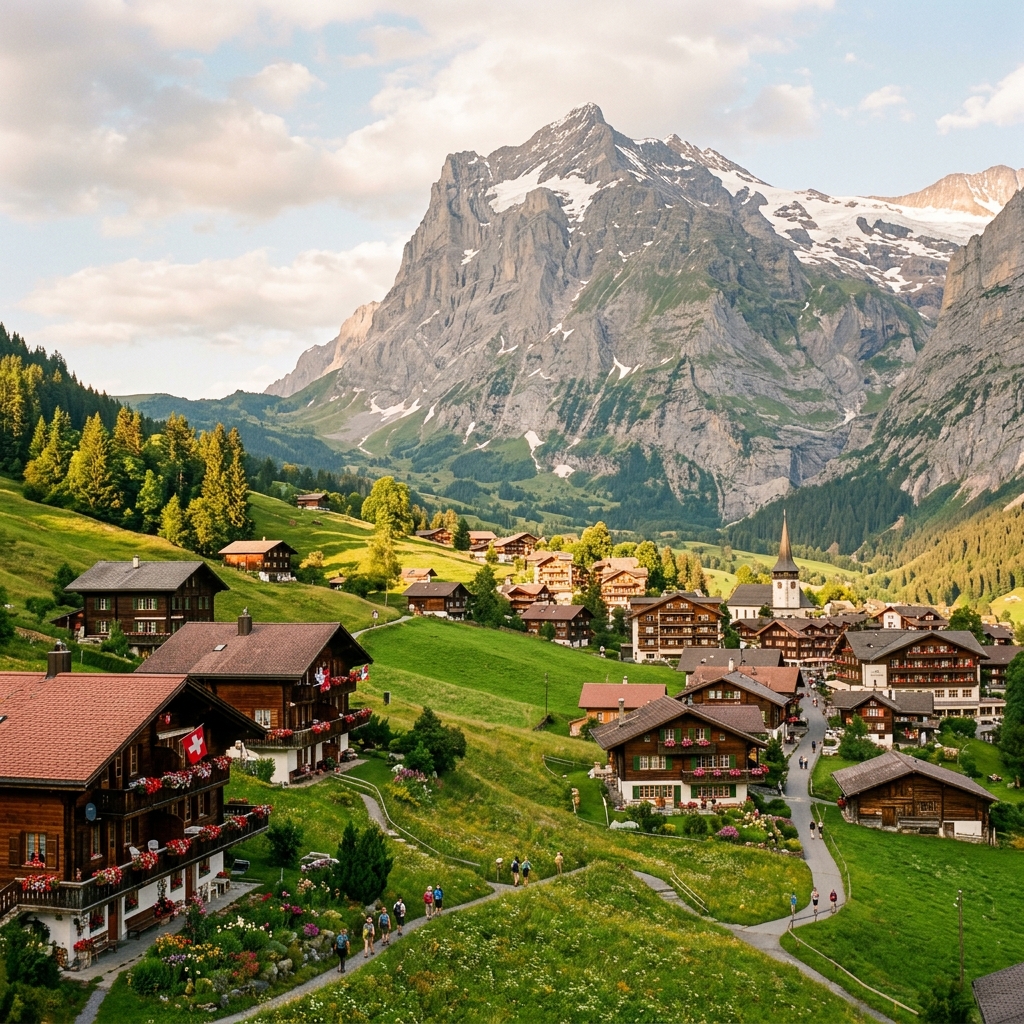
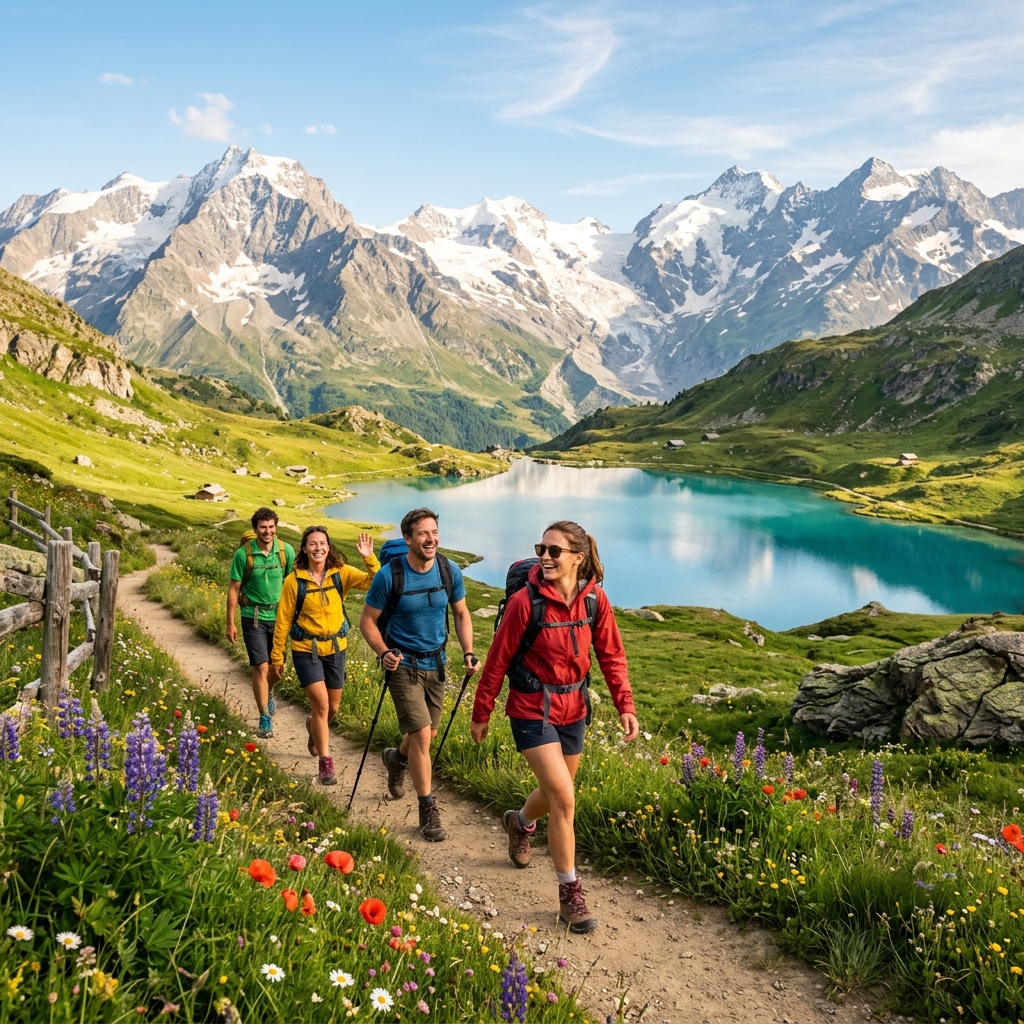
Summer transforms the Swiss Alps into one of the most beautiful landscapes in the world. The valleys are intensely green — almost electric — from June to September. Wildflowers bloom in the alpine meadows from late May through July. Mountain streams run full from glacial melt. The air at altitude is crisp and clean in a way that is difficult to describe.
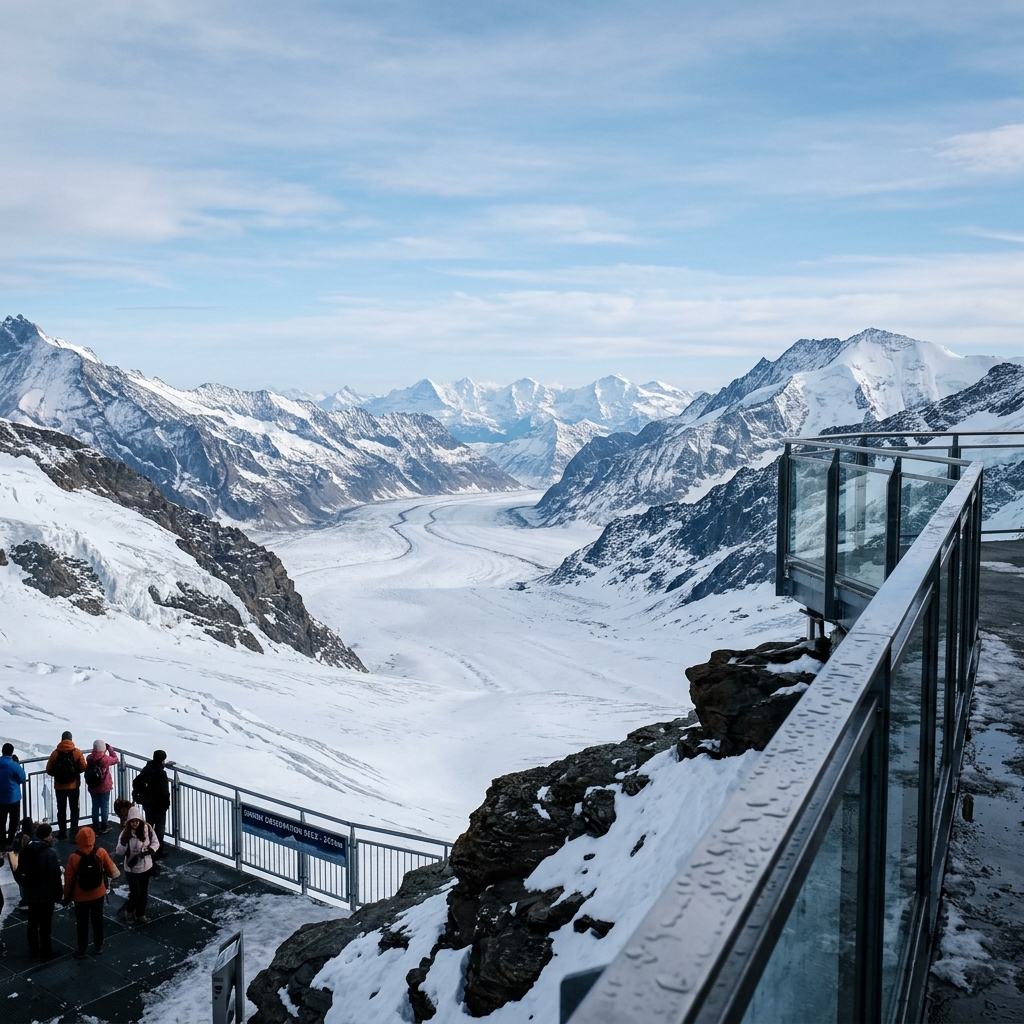
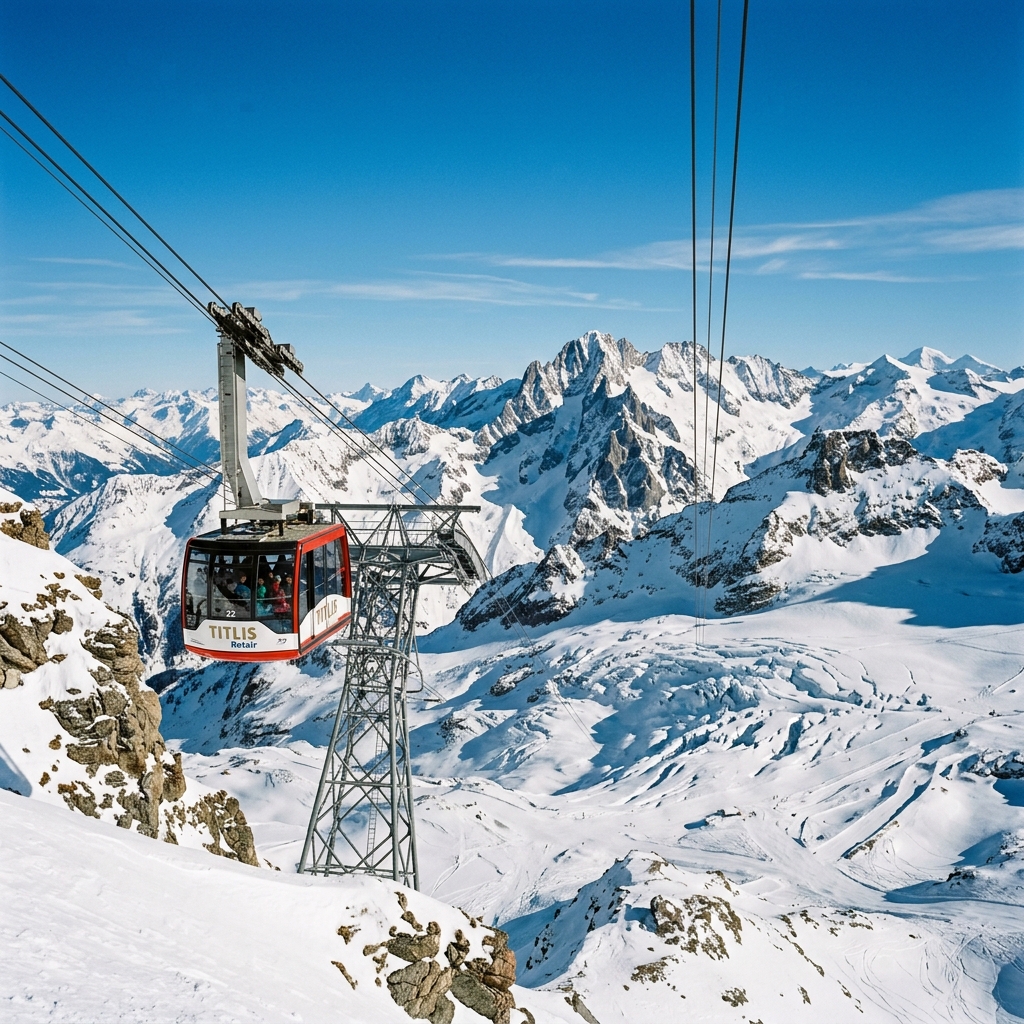
At the summits (Jungfraujoch, Titlis, Pilatus), snow remains permanent year-round. From the valley floor at 500m in 25°C heat, you look up and see glaciers and white peaks. That visual contrast — warm summer green below, permanent winter above — is uniquely Swiss Alps.
The honest weather picture
Summer days are often warm and sunny in the valleys (18–28°C). But afternoon thunderstorms build in the mountains from around 2–3pm, especially in July and August. Plan to be at the summit by midday and descend before early afternoon. Morning light is also significantly better for photography.
Month-by-month breakdown
June
One of the best months. Temperatures are warm but not hot. Wildflowers are at their peak in the alpine meadows. Crowds haven't fully arrived yet. Snow is still plentiful at altitude. The Jungfrau Railways, Titlis and Pilatus are all fully operational. Early June can still have snow at lower elevations — check trail conditions before hiking.
July & August
Peak season. The warmest, sunniest and most reliably clear days — but also the most crowded and most expensive. Book Jungfraujoch at least 4–6 weeks ahead in July and August. Arrive at summits early (before 11am) to beat crowds and afternoon cloud build-up. Lauterbrunnen is extraordinary in high summer with full-flow waterfalls.
September
Arguably the perfect Swiss Alps month. Crowds drop sharply after school season returns. Weather is still excellent. The light becomes golden and warm. Wildflowers are replaced by turning colours in the lower forests. Prices ease slightly. If you have flexibility, September over August every time.
Best experiences for summer
- Jungfraujoch — Summer is the primary season. Morning departures (before 9am) give the best summit views before clouds build. Book ahead.
- Grindelwald + Lauterbrunnen — The village and valley combination is at its most beautiful in summer. Waterfalls are at full flow. Alpine meadows are in bloom.
- First Cliff Walk (Grindelwald) — The suspension cliff walkway above Grindelwald opens in summer. Vertigo-inducing and spectacular.
- Mount Titlis — Summer glacier walks, the Cliff Walk at Titlis (Europe's highest suspension bridge), snow park and Ice Flyer are all accessible in summer.
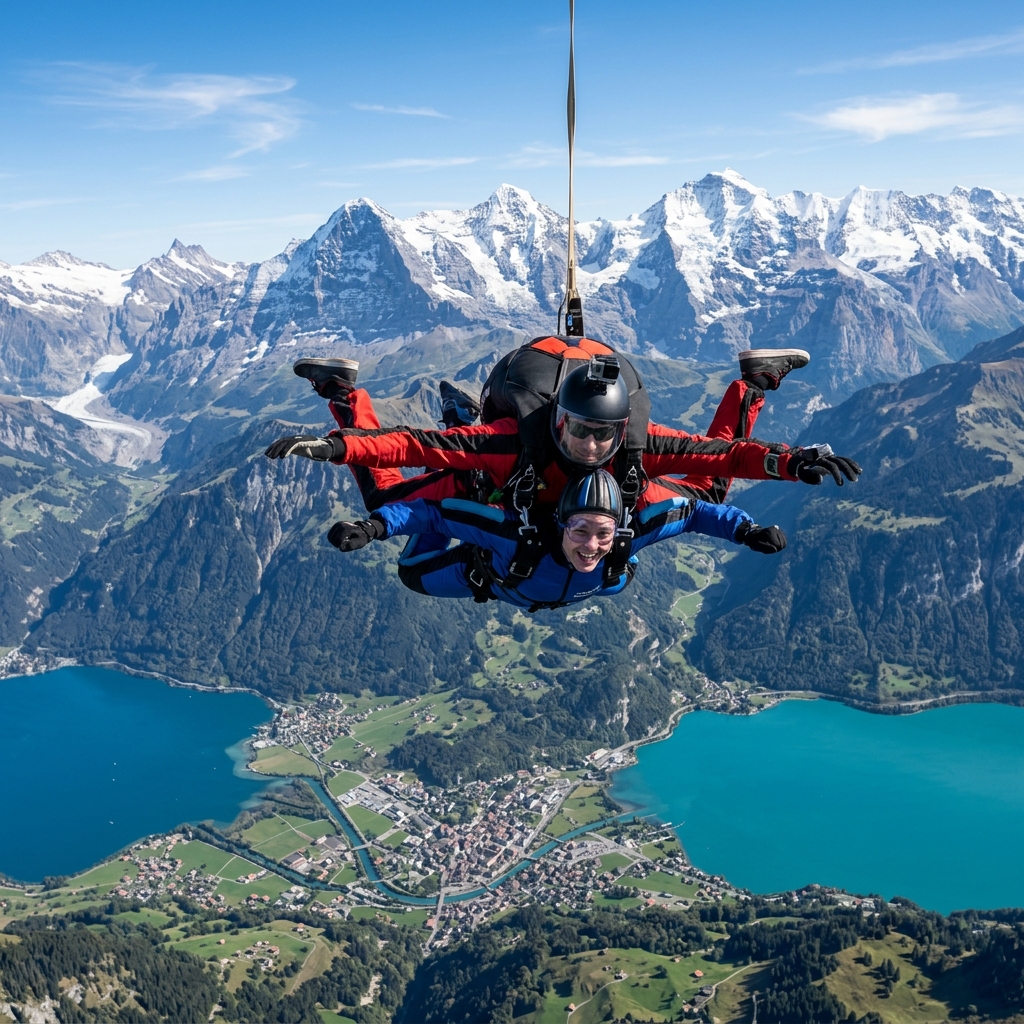
- Interlaken Skydiving — Only available in summer (May–October). The green valley backdrop makes for extraordinary aerial views.
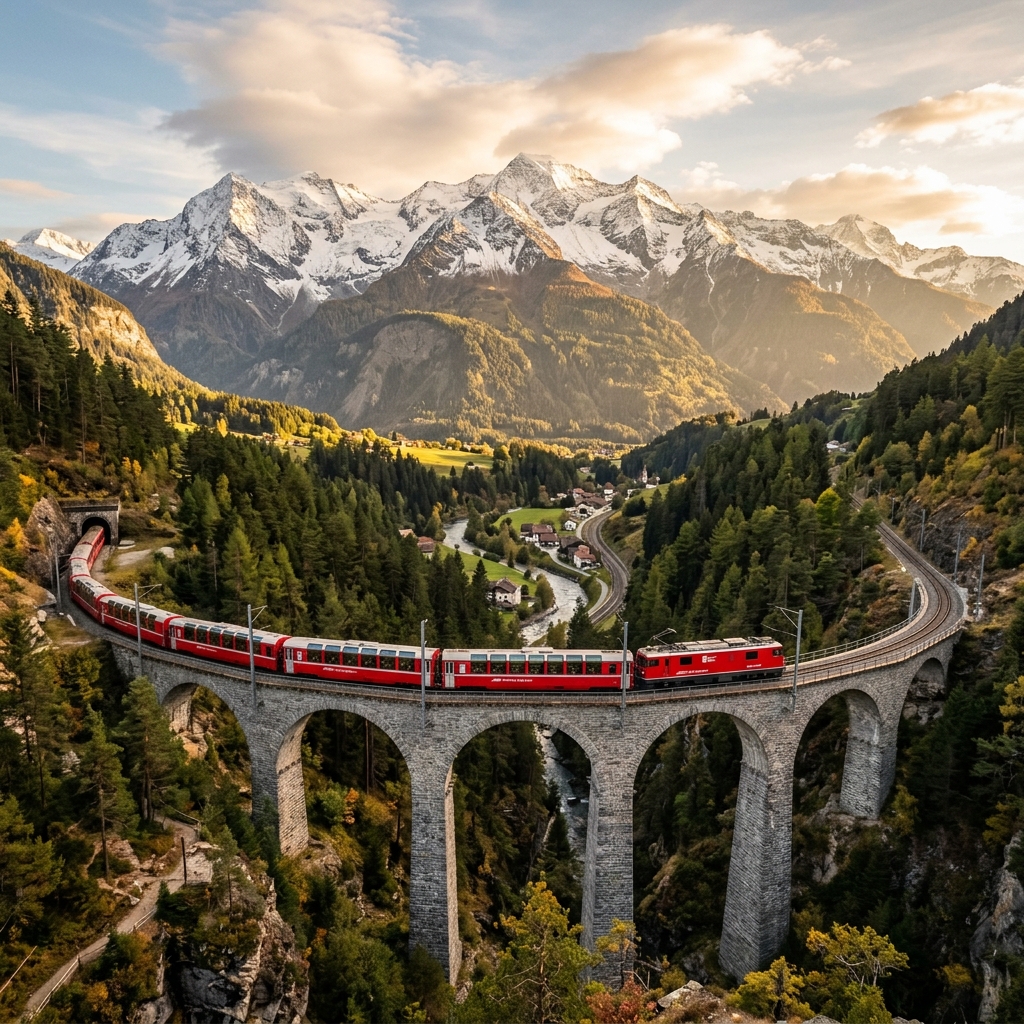
- Bernina Red Train — Runs year-round but the green alpine meadows alongside the track in summer are particularly stunning.
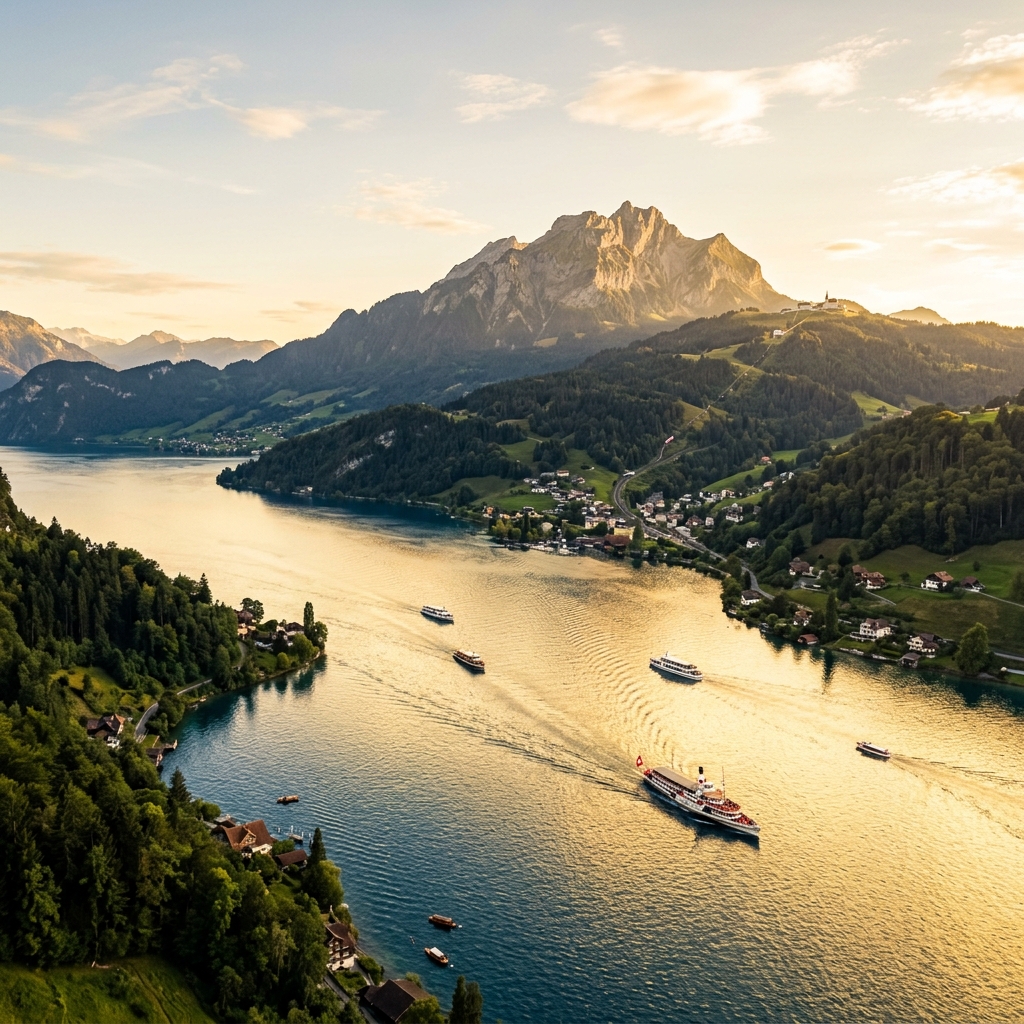
- Mount Pilatus Golden Round Trip — The cogwheel railway (the key section) operates May–November. Summer is prime time.
What to pack for summer in the Swiss Alps
The altitude gap between valley and summit means you genuinely need both warm and cool weather clothing in one bag:
- Base layer: Light t-shirts and shorts for valley days
- Warm mid-layer: A fleece or light insulated jacket — essential at summits even in July
- Waterproof outer layer: Afternoon storms can arrive quickly. A packable rain jacket weighs nothing and is indispensable.
- Footwear: Comfortable trainers/sneakers are fine for most tours and village walks. Hiking boots if you plan trails.
- Sun protection: UV intensity is significantly higher at altitude. Sunscreen (high SPF), sunglasses and a hat are not optional.
- Gloves and hat: For summit visits even in August — it can be 5–10°C at Jungfraujoch.
Summer booking tips
- Book Jungfraujoch 4–6 weeks ahead in July–August. It regularly sells out.
- Check summit webcams the night before a summit day — Jungfrau, Titlis and Pilatus all have live cameras.
- Start mountain days early (aim to be at the summit by 10–11am). Afternoon cloud is common June–August.
- If your summit day has poor forecast, swap to a village day (Grindelwald, Lauterbrunnen). These work in any weather.
- September offers better availability and lower prices than July–August for the same experiences.