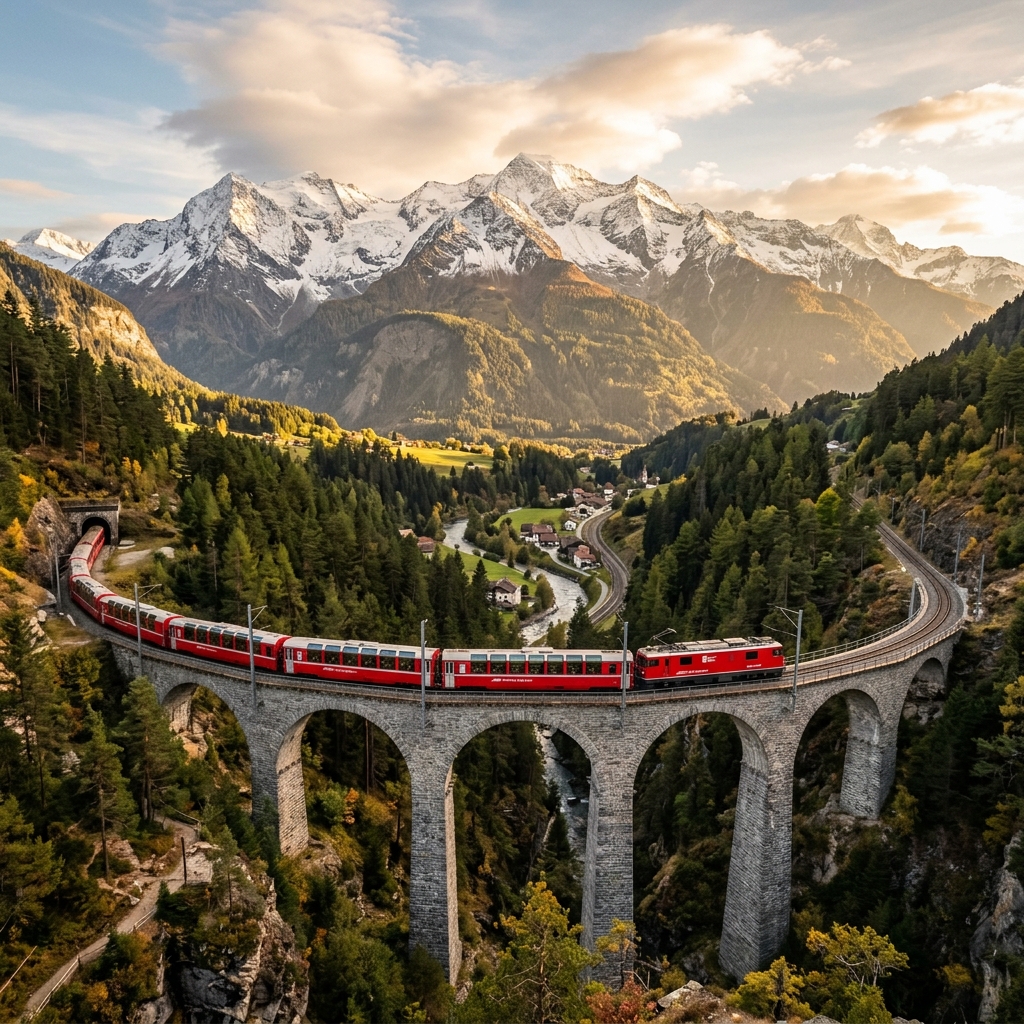
What is the Bernina Red Train?
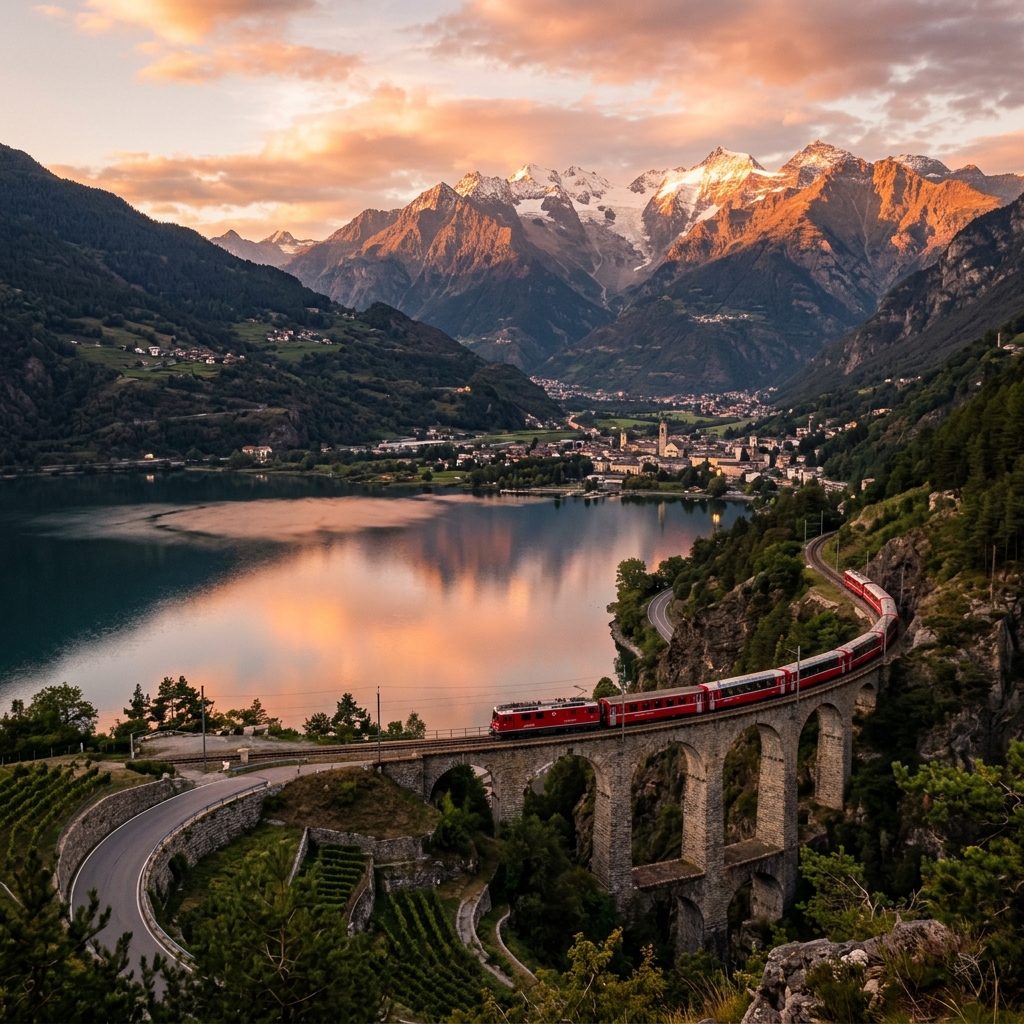
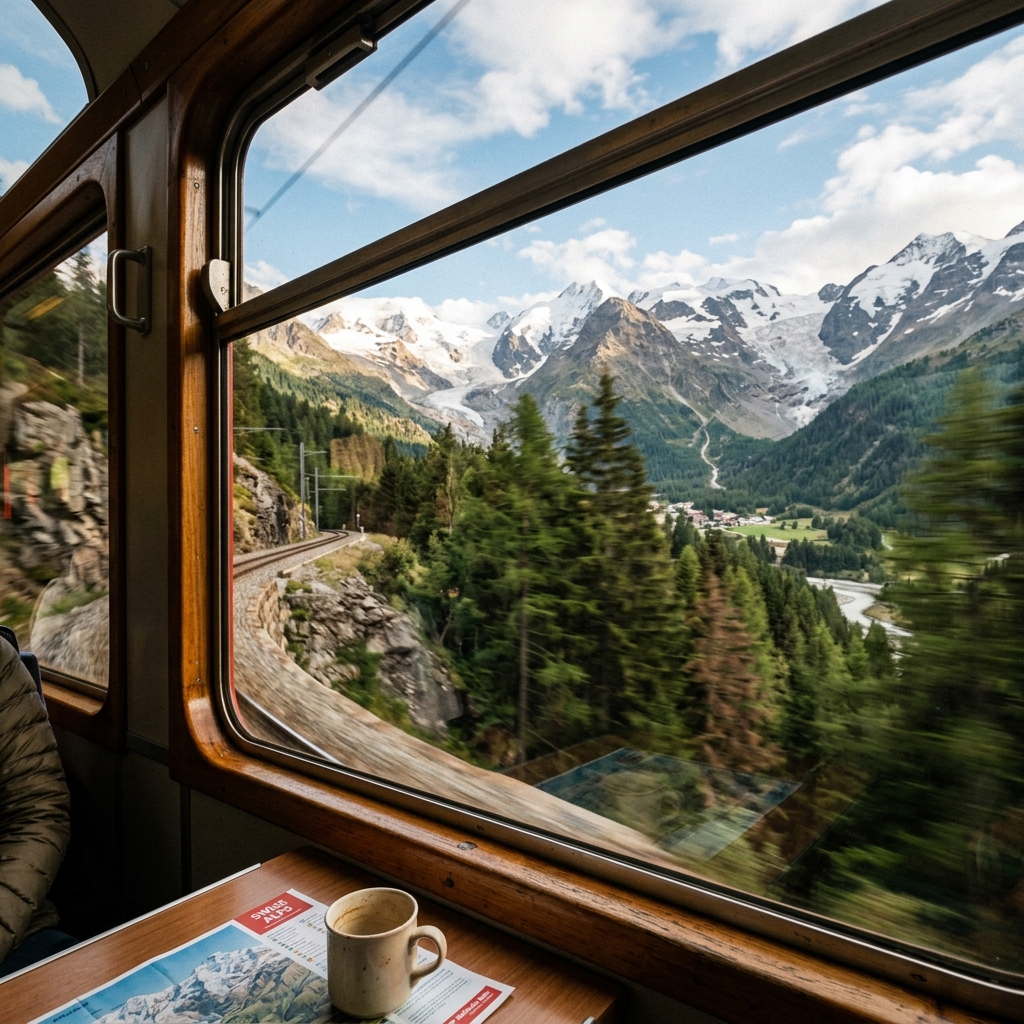
The "Bernina Red Train" refers to the Bernina Express service operated by Rhaetian Railway (Rhätische Bahn / RhB) across the Bernina Pass between Tirano, Italy and Chur or St. Moritz in Switzerland. The iconic red coaches have large panoramic windows — angled to see both the mountain peaks above and the valleys below.
The railway was inscribed as a UNESCO World Heritage Site in 2008 — shared listing with the Albula Railway. It is one of only a handful of railways in the world to hold this status. The route was constructed between 1898 and 1910 without rack-and-pinion technology, making the engineering achievement extraordinary even today.
Our honest take
The Bernina Red Train is worth it for travelers who value the journey itself. If you measure a day by how many sights you tick off, look elsewhere. If you value looking out a train window at some of the most dramatic mountain scenery in Europe for 2.5 hours — this is one of the best days you can have in the Alps.
The route explained
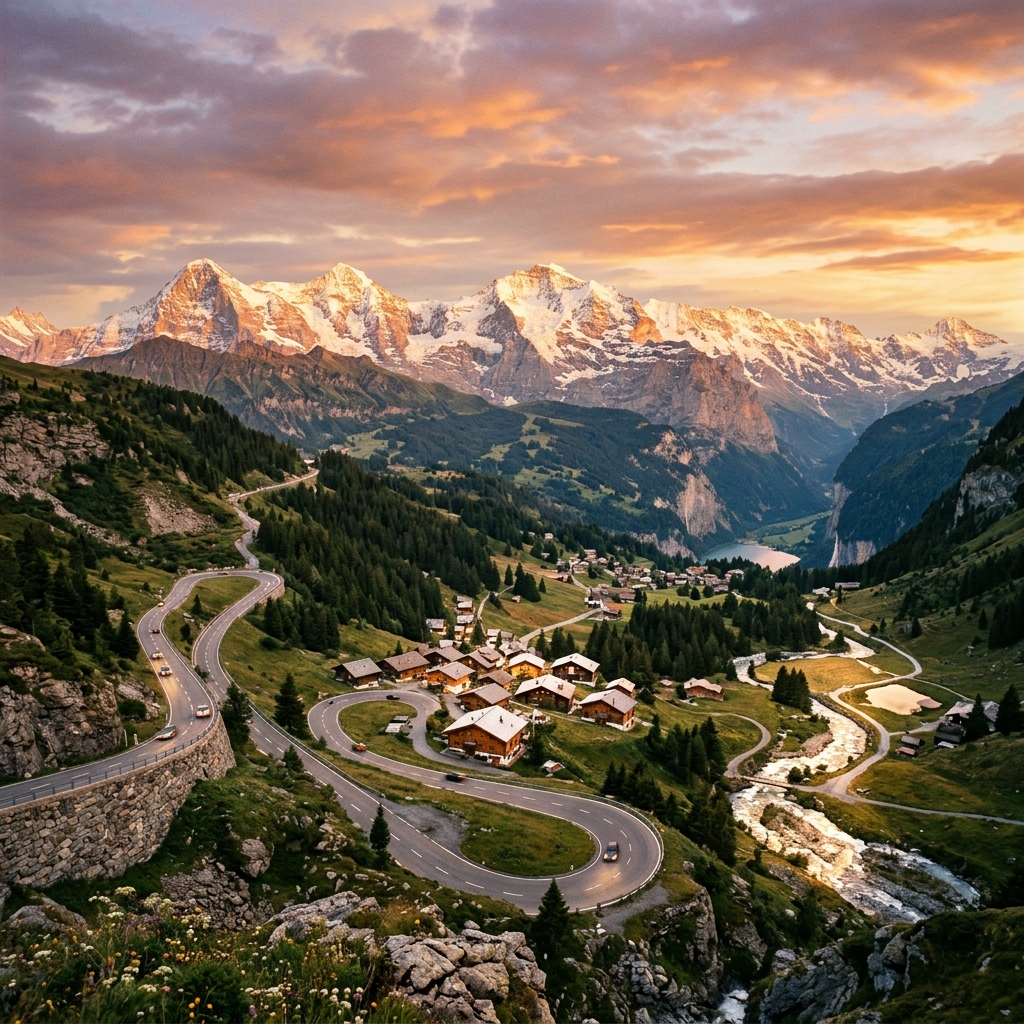
The Bernina route runs between Tirano (429m, Italy) and St. Moritz (1,775m, Switzerland) — a vertical rise of over 1,300m. The most dramatic section is between Poschiavo and the Bernina Pass, where the train climbs through tight spirals and switchbacks past the Morteratsch Glacier.
- Tirano (Italy, 429m) — departure point, Italian border town
- Brusio Viaduct — the iconic circular spiral viaduct, visible from the train window
- Poschiavo — a charming Italian-speaking Swiss village
- Ospizio Bernina (2,253m) — the highest point of the route, Lake Bianco
- Morteratsch — views of the Morteratsch Glacier tongue
- Pontresina — gateway village to the Engadin valley
- St. Moritz (1,775m, Switzerland) — endpoint
Highlights along the way
- Brusio Circular Viaduct — a nine-arch spiral viaduct that the train literally loops around to lose altitude. One of the most photographed rail structures in the world. Sit on the right side heading uphill.
- Lake Bianco (Lago Bianco) — at Ospizio Bernina, a stunning glacial lake that reflects the surrounding peaks. The colour varies from turquoise to silver depending on season and sky.
- Morteratsch Glacier — visible from the train as you descend from the pass. The retreating glacier is both beautiful and sobering.
- Engadin Valley — the approach to St. Moritz through this high-altitude valley is wide, bright and completely different from the narrow gorges earlier in the journey.
St. Moritz — what to do on arrival
With 2–3 hours in St. Moritz, you can comfortably see the town and its famous lake. St. Moritz is compact and walkable:
- Walk along Lake St. Moritz for the mountain panorama
- Visit the Segantini Museum (small, excellent art collection)
- Coffee or lunch at one of the village cafés (avoid the main hotel restaurants which are expensive — the side streets are better value)
- In summer, hire a paddleboard on the lake. In winter, walk on the frozen lake.
Getting to Tirano from Milan
This is the part most guides skip but that matters most practically:
- Option 1 (most common, guided tour): Join an organised day tour from Milan. The bus takes you to Tirano, you board the Bernina train, the guide handles logistics. Most tours include everything.
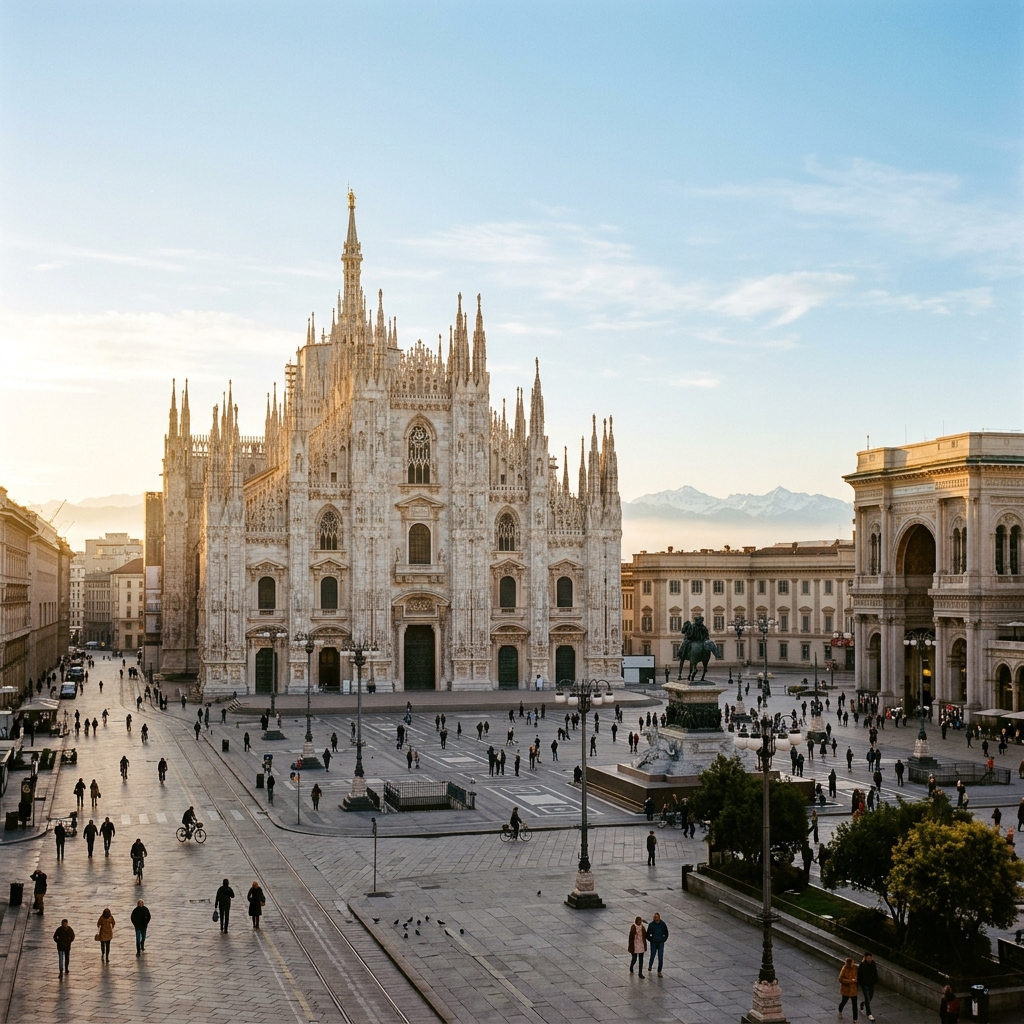
- Option 2 (independent): Trenord regional train from Milan Centrale to Como Lago (~40 min), then Trenord to Tirano (~2.5h). Return the same way or via Chur + night train. This requires planning but works well.
- Note: A direct high-speed train from Milan to Tirano does not exist. The Tirano journey always involves a change in Como or similar.
Tips from experience & best seats
- Best seat: right side heading from Tirano to St. Moritz. The Brusio Viaduct view is on the right. Sit on the left for the glacier views heading toward Ospizio Bernina.
- Book panoramic coach seats in advance for the Bernina Express service (Tirano–Chur). Standard Rhaetian trains also run the route and don't need advance booking.
- Summer is most popular — book guided tours at least 2 weeks ahead in July–August.
- Autumn and winter offer fewer crowds and extraordinary snow and leaf-colour scenery.
- Bring a camera with a fast shutter speed — the train moves and the viaduct shots happen quickly.
- Dress in layers. The pass at 2,253m is significantly colder than Tirano below.